
Blog
what are peptides
May
🧬 Peptides Explained: Why These Tiny Molecules Are Transforming Wellness & Science
Peptides are rapidly becoming one of the most searched topics in health, fitness, skincare, and medical research. From recovery-focused wellness routines to anti-aging beauty products, peptides are now at the center of many modern health conversations.
But despite their growing popularity, many people still ask one important question: What are peptides?
This guide explains everything you need to know about peptides, how they function in the body, and why they are attracting so much global attention.
🔬 Understanding Peptides
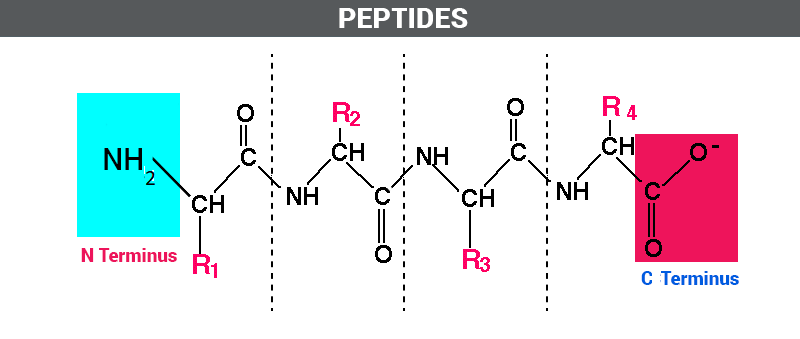
Peptides are small chains of amino acids connected by peptide bonds. Amino acids are the essential compounds that form proteins, and when a small number of these amino acids link together, they create peptides.
Unlike full proteins, peptides are shorter and more targeted in how they function inside the body. Even though they are small, they help regulate many important biological activities.
One well-known example is insulin, which plays a critical role in controlling blood sugar levels.
⚡ What Do Peptides Do in the Body?
Peptides act as communication signals between cells. They help trigger specific responses that keep the body functioning properly.
These functions may include:
- Supporting tissue repair
- Regulating hormones
- Assisting metabolism
- Encouraging collagen production
- Supporting immune responses
- Helping with recovery after physical activity
Because peptides interact with highly specific biological pathways, researchers continue exploring their potential across multiple wellness and medical fields.
💪 Why Are Peptides So Popular Today?
Peptides have gained massive popularity because they are associated with several areas of modern wellness and performance support.
🏋️ Fitness & Recovery Support
Some peptides are researched for their possible connection to muscle recovery, physical performance, and post-workout repair.
✨ Skincare & Anti-Aging
Peptides are now widely used in beauty products because of their potential role in supporting collagen production and improving skin appearance.
🌿 Wellness & Metabolic Health
Certain peptides are explored for appetite regulation, energy balance, and metabolic support.
🔬 Medical & Scientific Research
Researchers continue studying peptides for their potential use in regenerative medicine, hormone therapies, and recovery science.
🍽️ Natural Sources of Peptides
The body naturally creates peptides, but they can also be obtained through protein-rich foods. During digestion, dietary proteins break down into smaller peptide chains.
Foods that naturally support peptide intake include:
- Fish and seafood
- Eggs
- Poultry and lean meats
- Dairy products
- Beans and legumes
Maintaining a protein-rich diet may help support natural peptide production in the body.
💉 Popular Peptides You May Have Heard About
As peptide research grows, several compounds have become especially popular in wellness and fitness communities.
BPC-157
Often researched for recovery, tissue support, and digestive wellness.
Semaglutide
Commonly discussed in metabolic and weight-management research.
CJC-1295
Frequently explored for recovery and body composition support.
Ipamorelin
Popular in discussions surrounding wellness and physical recovery.
🧴 Peptides in Beauty & Skincare
Peptides have become key ingredients in many premium skincare products due to their connection to skin support and collagen production.
Commonly Discussed Skincare Benefits:
- Improved skin firmness
- Support for smoother-looking skin
- Reduced appearance of fine lines
- Enhanced skin hydration
This is why peptide-based serums and creams are now commonly found in anti-aging skincare collections.
🔬 The Future of Peptide Research
Peptide science continues to expand rapidly. Researchers are currently exploring peptides in areas such as:
- Recovery and rehabilitation
- Weight management
- Hormonal balance
- Regenerative medicine
- Performance and wellness support
As scientific understanding grows, peptides may continue shaping the future of modern health and wellness research.
⚠️ Important Safety Information
Although many peptides occur naturally in the body, synthetic peptide products should always be approached responsibly.
Before considering peptide-based products:
- Speak with a healthcare professional
- Use trusted and transparent suppliers
- Avoid low-quality or unverified products
- Follow proper usage guidance
Peptide regulations and approved uses may vary depending on location and product type.
🚀 Final Thoughts on Peptides
Peptides may be microscopic, but their influence on the body is incredibly powerful. From fitness and recovery to skincare and metabolic wellness, peptides are now one of the fastest-growing areas in modern health research.
As interest in peptide science continues to rise worldwide, understanding what peptides are and how they work can help you make smarter, more informed decisions about wellness, recovery, and overall health support.
